


A sea trial is one of the most important moments in a Hong Kong used yacht purchase. It is also one of the easiest moments to treat too casually. A short harbour run can feel exciting, but a buyer needs more than a pleasant cruise before confirming price, survey findings and closing conditions. This guide explains how to approach a sea trial as a structured buyer due-diligence exercise rather than as a demonstration ride.
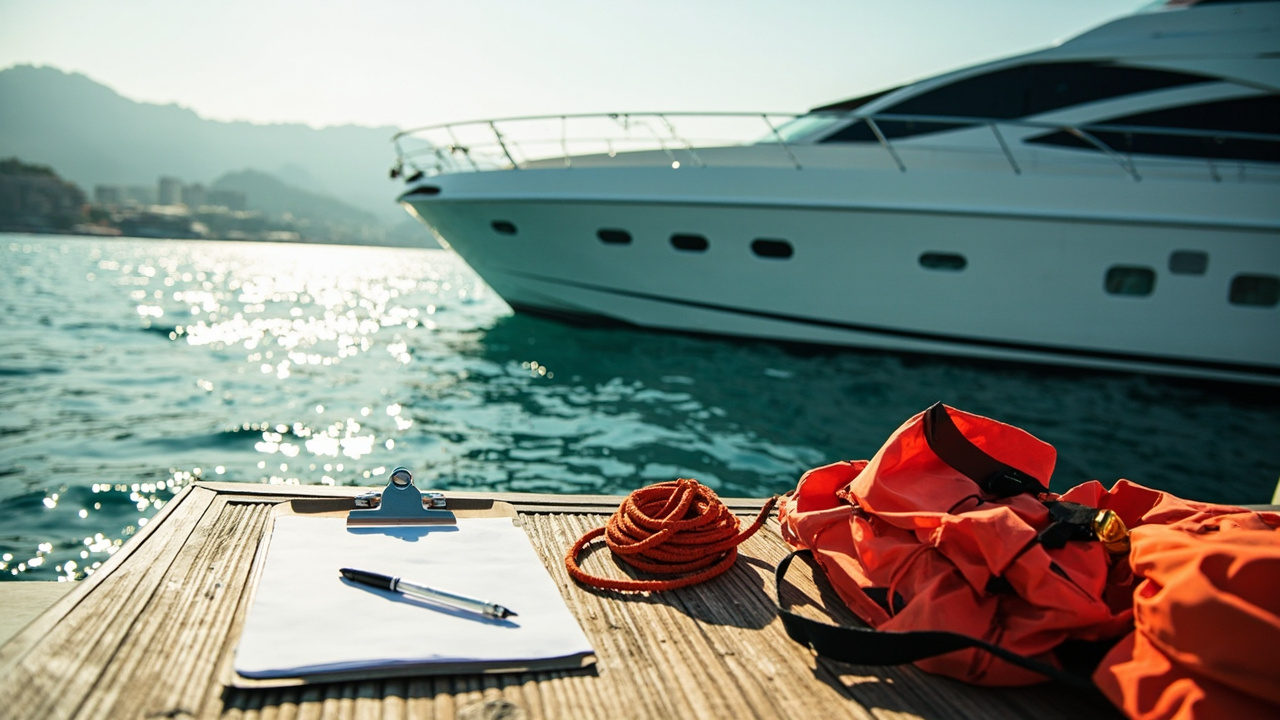
Before the sea trial: define the questions you need answered
Start with a written checklist. The purpose is to confirm whether the yacht performs consistently with the listing, the survey findings and the seller’s representations. Key questions include whether the engines cold-start cleanly, whether idle vibration is normal, whether acceleration is even, whether the yacht reaches reasonable cruising and wide-open-throttle figures, whether steering is responsive, and whether navigation, generator, air-conditioning, pumps and anchoring equipment operate under real load.
Confirm people, weather and insurance
Hong Kong waters can be busy and conditions can change quickly. The buyer should confirm who will act as captain, who is authorised to operate the yacht, whether basic insurance is in place, what weather limits apply, where the test route will run and how the trial will be rescheduled if the conditions are unsuitable. For larger yachts, it is sensible to bring a surveyor, engineer or independent captain so that the buyer does not rely only on sales commentary.
During the sea trial: record performance, not impressions
Begin with a cold start and observe smoke, starting time, oil pressure, engine temperature and alarms. Once clear of the marina, build speed gradually and record rpm, boat speed, vibration, noise, trim angle and any unusual smell. The goal is not simply to find the top speed. More useful information comes from stable cruising rpm, steering response, whether the yacht lists under load, whether the hull lands cleanly after wake, and whether electrical systems behave normally while the engines and generator are running.
Check the machinery space after loading the yacht
Many issues appear only after the yacht has been under load. After returning to the berth, inspect the engine room and bilges again. Look for fresh oil, water, belt dust, coolant smell, hot components, new alarms, unusual vibration marks or dampness around through-hulls. Test the bilge pumps, freshwater pump, air-conditioning, generator, windlass and basic domestic systems. A yacht that has spent long periods berthed in Hong Kong may look tidy at the dock but still reveal issues once systems are used together.
After the sea trial: turn findings into deal terms
If the yacht fails to reach expected rpm, if equipment does not operate as described, or if new leaks appear, the buyer should avoid relying on informal promises. The safer approach is to convert the findings into written conditions: repairs before completion, a price adjustment, a retention amount, a re-test, or a clear list of items accepted by the buyer. Keep photos, videos, survey notes and sea trial records together; they are useful for negotiation, insurance, future maintenance and eventual resale.
FAQ
Should a sea trial happen before paying a deposit?
It depends on the offer structure. If a deposit is paid first, the agreement should state clearly how an unsatisfactory sea trial will be handled.
Can a sea trial replace a full survey?
No. The sea trial tests operation under load. A survey covers structure, hull, safety equipment, systems and documentation. Buyers should treat the two as complementary.
What if the seller refuses a proper sea trial?
That is a risk signal. There may be practical reasons, but the buyer should ask for a clear explanation and consider whether the offer price and conditions still make sense.
Internal links
官方及延伸資料
- GovHK pleasure vessel licensing information
- Hong Kong Marine Department pleasure vessel services
- Marine Department local pleasure vessel operator information
Want to discuss your yacht plan?
Contact VOY Yachting on WhatsApp, or scan our WeChat QR code to speak with our team. Email: enquiry@voy.hk