

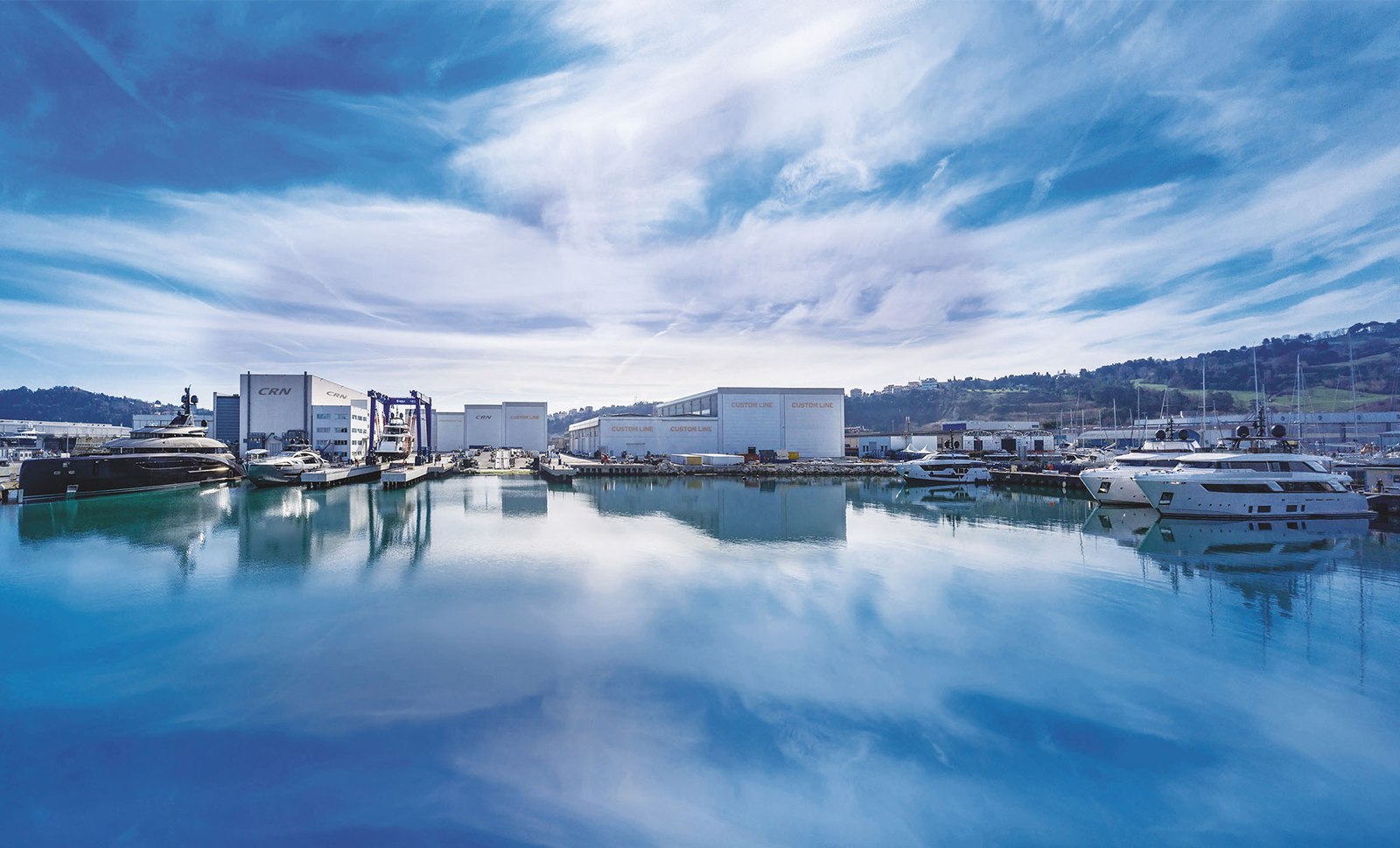
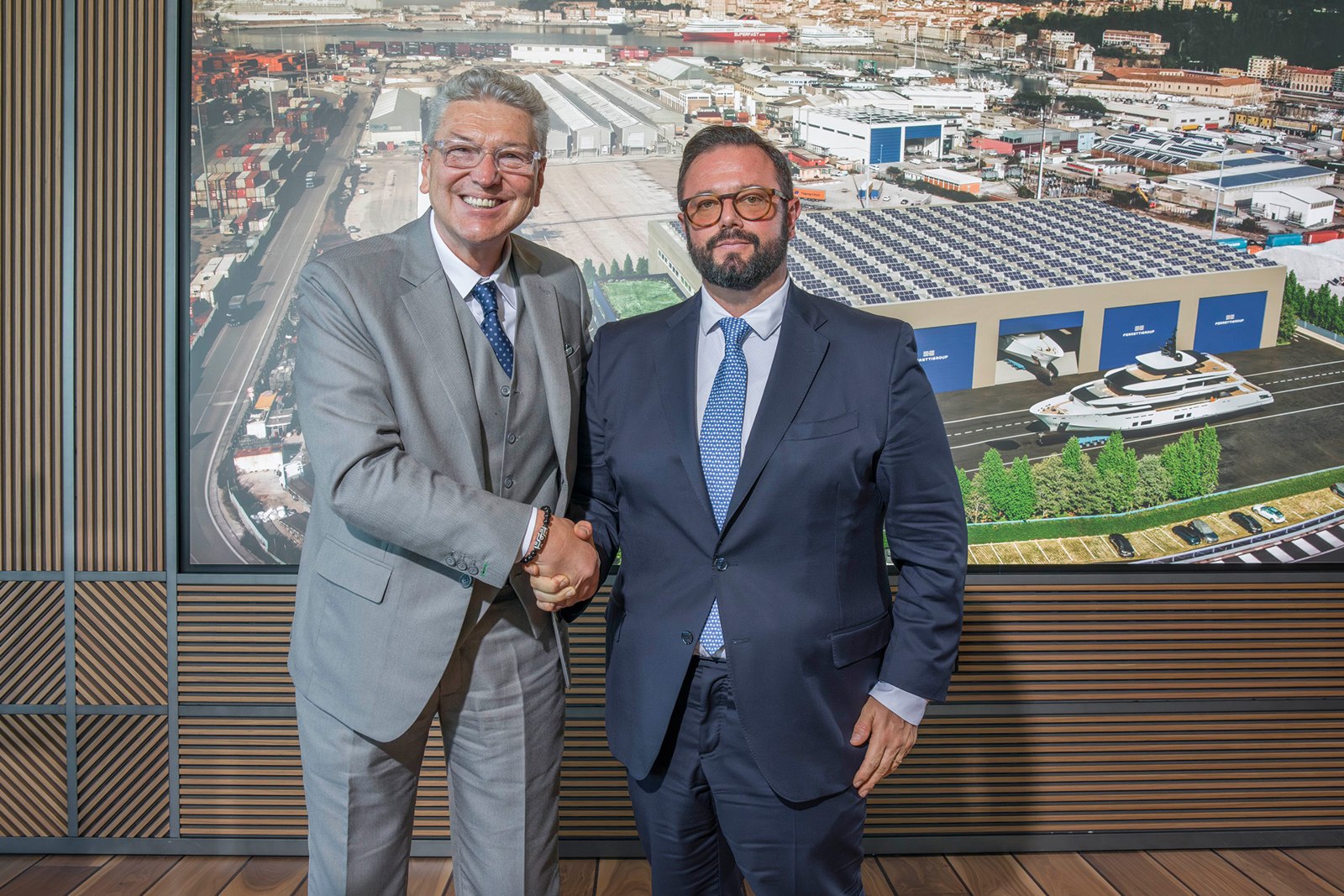
Ferretti Group announced on 18 November that it plans five new yacht-construction sheds on the former Tubimar site in the port of Ancona, Marche, Italy. It intends to invest almost €30 million over three years, targeting a doubling of capacity in semi-custom metal superyachts. The first facilities are scheduled to open in 2028.
The group includes Riva, CRN, Custom Line and Ferretti Yachts. Its Ancona site began as the CRN yard in 1963 and became the group’s multi-brand Superyacht Yard in 2019. The investment extends an established boatbuilding cluster with existing teams and infrastructure.
Why Ancona: reusing idle industrial land
The company and port authority describe 37,030 square metres across four lots at the former Tubimar site. Lot A, allocated to Ferretti, covers 16,175 square metres; the whole site should not be counted as the group’s additional yard. The authority says the area remained idle after the 2020 fire. On 28 October it separately announced a signed demolition contract, with clearance then planned to begin in December and run for 180 days.
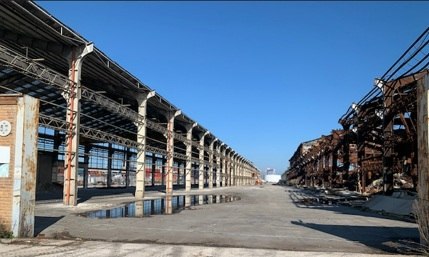
The first practical constraint is turning the former industrial site into usable construction space. Ferretti’s existing yard information lists nine construction sheds serving metal yachts and Custom Line, plus waterfront facilities for testing, launching and delivery. Building alongside that base offers a route into established engineering and delivery processes. Clearance, construction and staffing still have to follow: five buildings alone cannot be translated into an annual number of deliveries.
What does semi-custom metal construction mean?
The announcement focuses on steel and aluminium superyachts from 40 to 55 metres. Semi-custom construction starts with an established model or engineering platform, with selected layouts and interiors adapted to an owner’s requirements. It does not require a completely new overall design for every yacht, nor does it mean every onboard detail is identical.
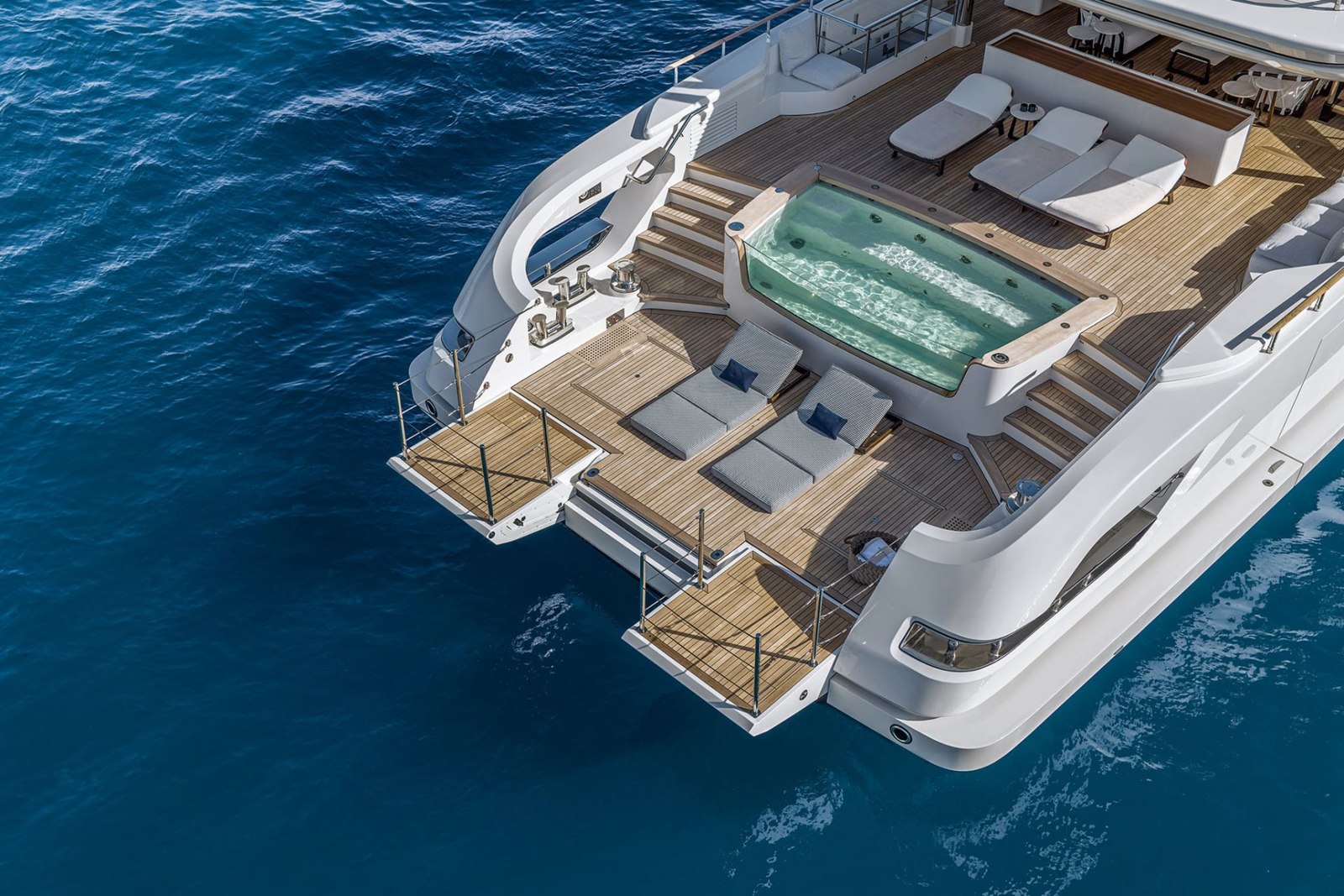
Custom Line 50 is a concrete example. Its first hull launched in 2024; the manufacturer’s December 2024 description gives a length of 49.90 metres, all-aluminium construction and four decks. The stepped aft decks and pool show a defined platform and spatial arrangement.
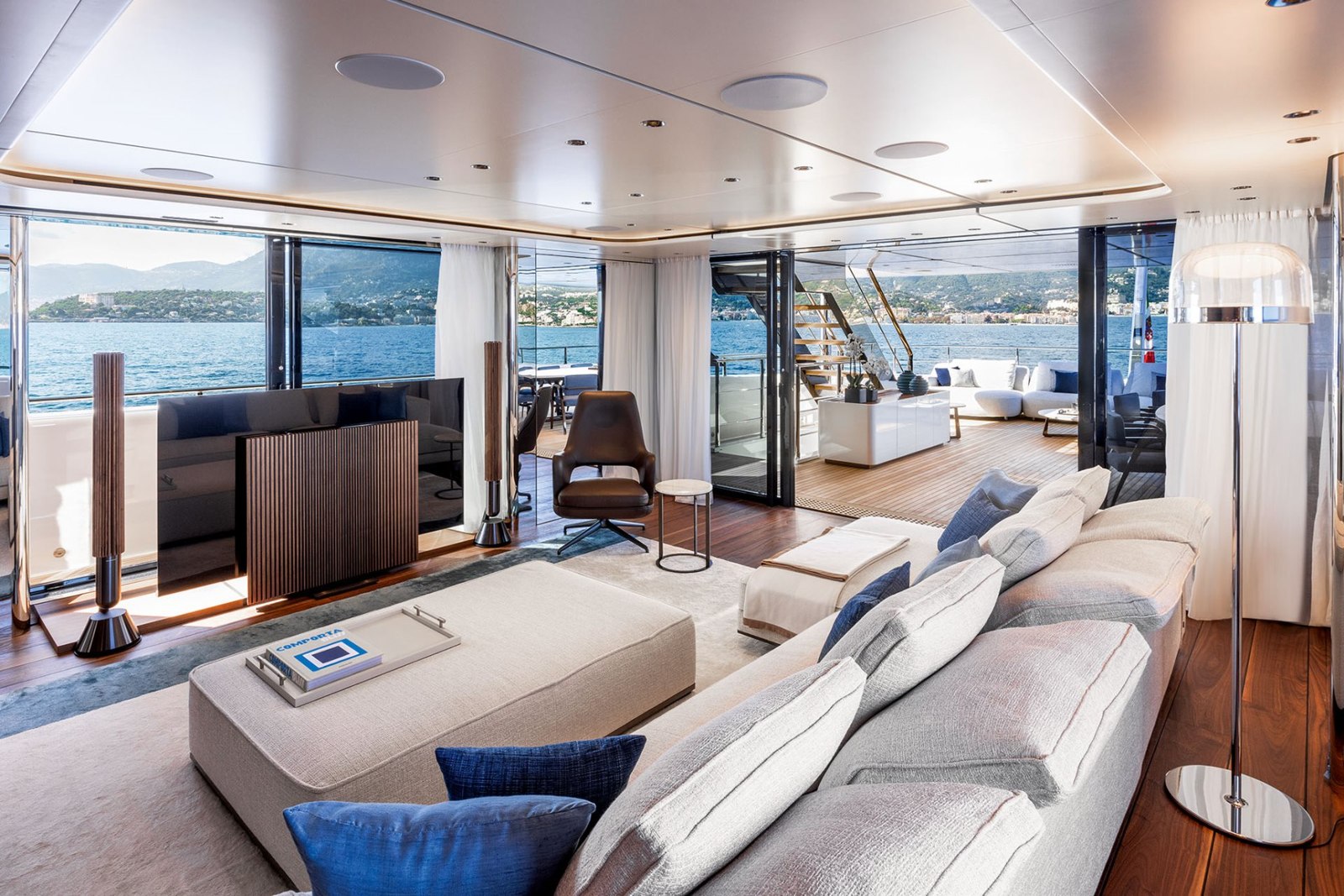
The same account describes made-to-measure interiors and a yard project team of engineers, architects and technical specialists coordinating the build from contract to handover. This explains the work behind capacity: additional space for simultaneous construction still needs engineering, interior work and suppliers to turn hulls into deliverable yachts.
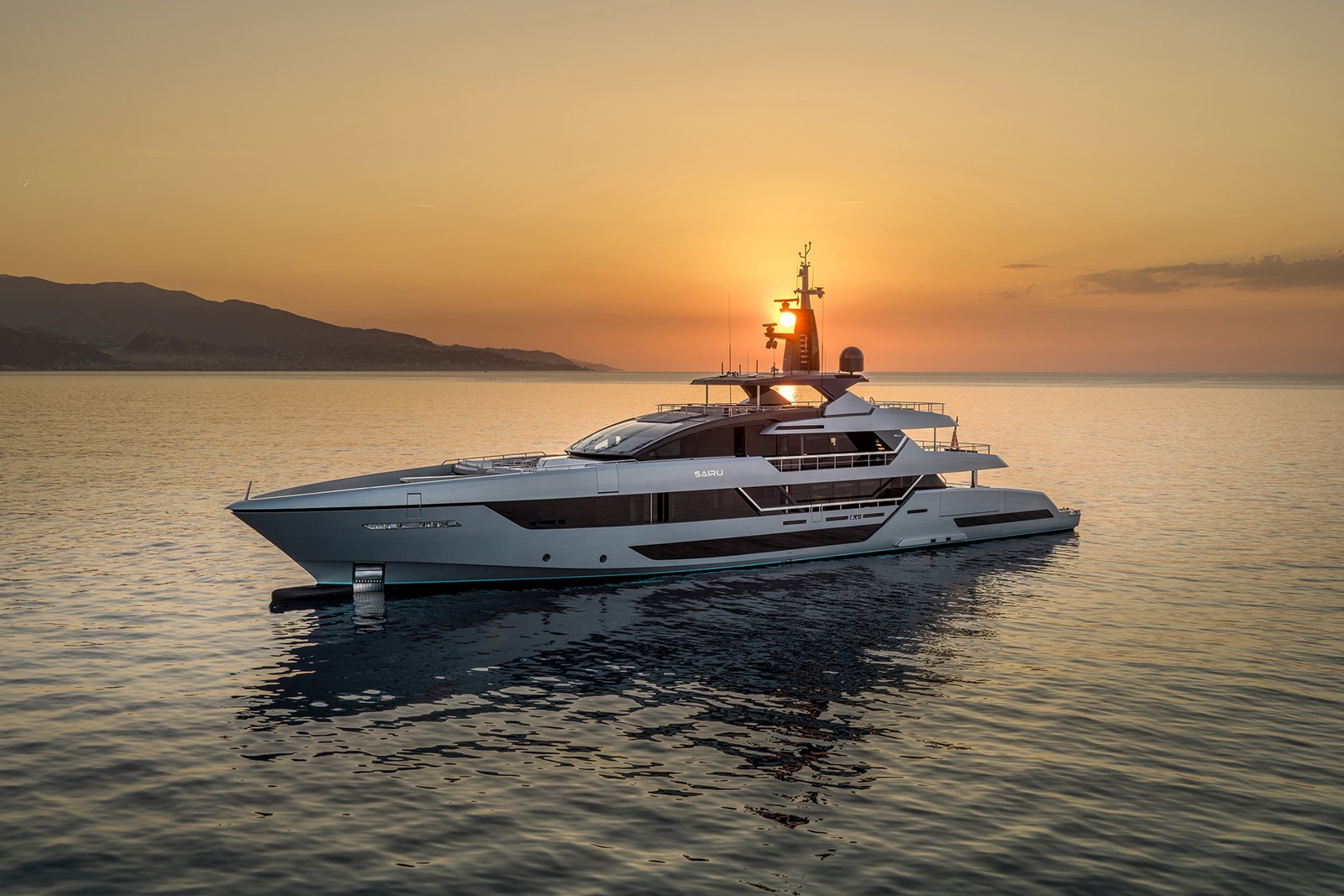
Riva 54Metri, also built at Ancona, offers a second metal-yacht example. Its manufacturer’s 2026 feature specifies an overall length of 54.83 metres and an aluminium hull and superstructure—the structure above the main deck. These existing products demonstrate relevant experience at the base; they were not built in the planned new facilities.
Two projects address different constraints
The 18 November announcement also mentions a separate extension to an existing shed, increasing the maximum yacht-building length from 90 to 100 metres, with work expected to take around six months. That is distinct from the five former-Tubimar sheds scheduled to open progressively from 2028.
| Project | Former Tubimar site | Existing shed extension |
|---|---|---|
| Main change | Five new sheds; target to double semi-custom metal capacity, focusing on 40–55m yachts | Maximum yacht-building length increases from 90m to 100m |
| Timing | Almost €30m over three years; initial opening planned in 2028 | Works expected to take around six months |
Capacity investment still has to connect with orders
The group says expansion responds to international demand for 40–55-metre metal yachts. Its 27 October nine-month results presentation, however, also identified reduced Super Yacht order intake over the previous two years, with capacity expansion, broker relationships and a broader branded-superyacht offering among its next steps. That financial segment is not directly equivalent to the 40–55-metre niche in this announcement, but it underlines why a capacity plan does not establish a matching increase in signed orders or deliveries.
Taken together, these steps prepare space and products for future builds. Their practical outcome depends on site works, products, specialist teams and orders coming together. The next observable developments are clearance and construction at the former Tubimar site, followed by progress towards the first planned opening in 2028.
Primary sources: Ferretti Group, 18 Nov 2026 · Port Authority, 18 Nov · Port Authority, 28 Oct · Ancona yard · Custom Line 50, Dec 2024 · Riva 54Metri, Jun 2026 · 9M 2026 results, pp.19–20
