


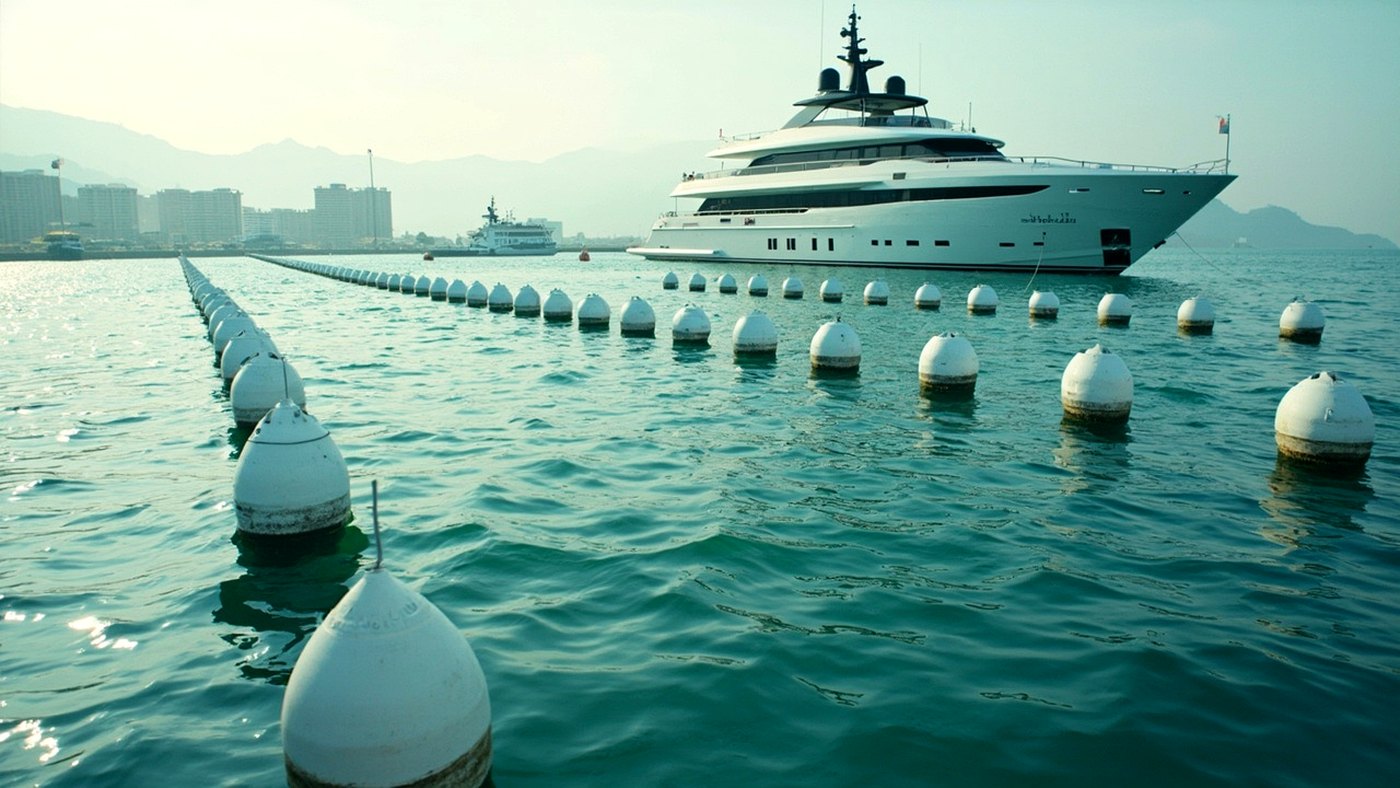
- Why berth planning should come before yacht selection
- Hong Kong berth reality: private moorings, yacht clubs and temporary arrangements
- Five real buying scenarios
- Twelve questions to ask before paying a deposit
- How berth risk should be reflected in an offer
- Official sources and buyer FAQ
Many buyers first look at price, model year, engine hours and attractive photos. In Hong Kong, however, the factor that often decides whether a yacht can be used comfortably is the berth. A berth is not only a parking space. It affects where guests board, what happens during typhoons, whether water and electricity are practical, how easily maintenance teams can access the yacht, and whether a future buyer can inherit the same arrangement.
If the berth is unclear, three mistakes become common: buying a yacht that does not comfortably fit the available berth; underestimating monthly mooring, transfer, tender and service costs; or relying on a verbal statement that “there is a berth” only to discover at completion that the arrangement is temporary, non-transferable or subject to separate approval.
1. Hong Kong berth reality: money alone does not guarantee a berth
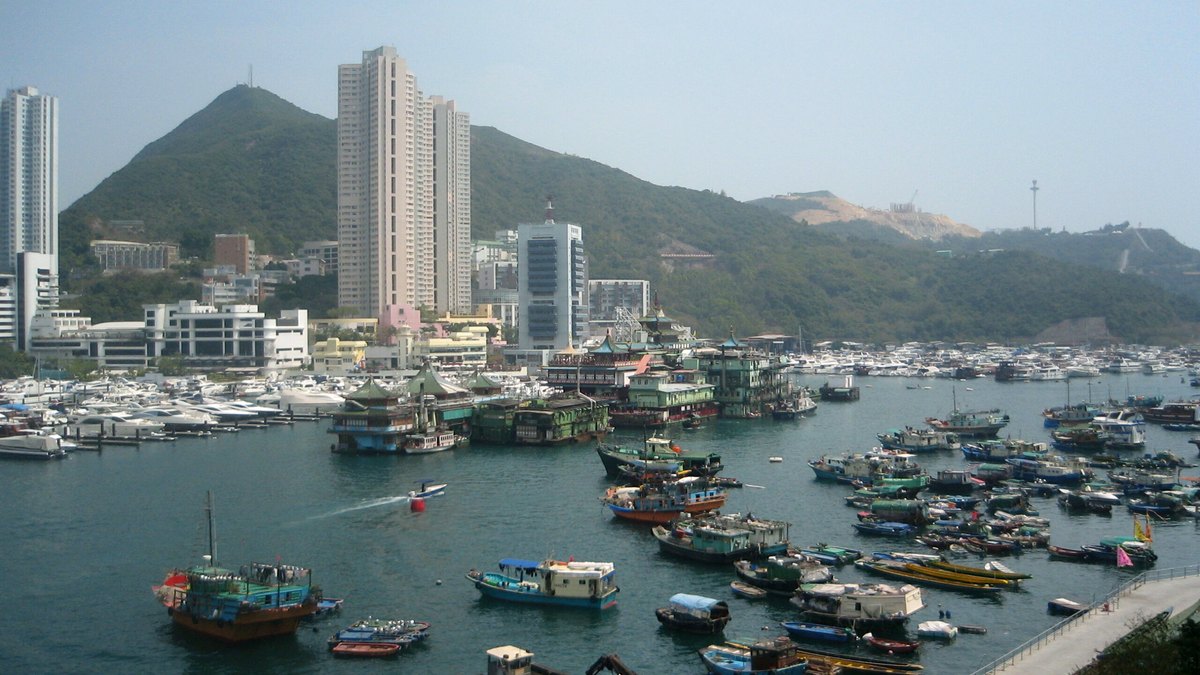
Hong Kong has limited waterfront space and uneven berth supply. Government information cited in 2024 noted more than twelve thousand licensed Class IV vessels, together with typhoon shelters, private mooring areas and private yacht or boat clubs. The practical message is simple: Hong Kong has active boating demand, but convenient, long-term and well-supported berths must be checked case by case.
The Marine Department states that setting a private mooring in Hong Kong waters requires written approval. New applications for private moorings have also been suspended since 1 January 2021 until further notice. Buyers should therefore not assume that a new private mooring can be obtained after purchase. Existing berth use, transferability, duration and responsibility should be checked before the buying decision is made.
2. Four common berthing options buyers should distinguish
3. Five real buying scenarios: how the berth changes the decision
Scenario 1: A 45-foot flybridge, but the available berth is only safe for around 40 feet
Do not only ask whether the yacht can “just fit”. Check beam, draft, turning space, neighbouring vessels, boarding height and insurance requirements. If the berth is only marginal, consider a shorter or narrower yacht, or make the offer conditional on confirming a suitable berth.
Scenario 2: The seller says there is a berth, but no written transfer confirmation exists
A yacht being berthed somewhere today does not mean the buyer can keep it there after completion. Before deposit, clarify who controls the berth, whether it can be transferred, whether club approval is required, the expiry date, the monthly cost and what happens if the buyer cannot take over the berth.
Scenario 3: The yacht price looks attractive, but the berth location makes every trip inconvenient
If every trip requires long transfers, difficult parking or awkward supply logistics, real usage will fall. For family and weekend buyers, access convenience may matter more than a few extra feet of yacht length. Test the whole journey from parking to boarding, sailing, returning and leaving.
Scenario 4: Typhoon season reveals that no clear shelter plan exists
Hong Kong yacht ownership cannot be assessed only from sunny-day photos. Ask whether the yacht stays in place, relocates, is hauled out or requires extra lines during storms. Confirm who notifies the owner, who executes the plan and what the insurer requires.
Scenario 5: You plan to resell in a year, but the berth cannot move with the yacht
A yacht with a berth is not automatically more valuable. The question is whether a future buyer can actually take over the arrangement. If not, do not overpay for convenience that may disappear at completion or resale.
4. Twelve questions to ask before paying a deposit
- Where is the yacht currently kept, and who controls the berth?
- Can the berth be transferred, renewed or used by the buyer after completion?
- What are the berth limits for length, beam, draft and height?
- How are monthly fees, deposits, utilities, membership and tender costs calculated?
- What happens during typhoon season, and who is responsible for action?
- Does the insurer impose any berth or storm-preparation conditions?
- Is the first month after completion already arranged?
- If the berth cannot be taken over, will the seller provide a transition period?
- Can technicians, cleaners, fuel and surveyors reach the yacht easily?
- Is boarding practical for family and guests?
- Could a future buyer inherit the same berth arrangement?
- Are these assumptions written into the offer, memorandum or email chain?
5. Use the berth to reverse-engineer the right yacht
Berth planning is not about discouraging purchase. It helps buyers choose more accurately. If you already have a fixed marina berth, yacht selection can focus on size, use and budget. If you only have a temporary arrangement, prioritise models that are easier to relocate. If guests and family use are important, boarding convenience should rank above interior decoration.
A practical sequence is: shortlist acceptable berth areas, confirm size restrictions, then compare yacht types and brands. It is less romantic, but it prevents buying a beautiful yacht that is rarely used.
6. How an offer should handle berth risk
If the berth is central to the purchase, it should not remain only in conversation. Examples include: “completion is conditional upon the buyer confirming an acceptable berth arrangement by a specified date”, “the seller will provide information about the current mooring but does not guarantee transferability”, or “if berth transfer fails, the parties may delay completion or renegotiate”. Specific wording should be handled case by case, but the principle is clear: important berth assumptions should be documented.
BoatMarket view: berth-first planning is responsible yacht buying
A useful buying guide should not merely say “plan the berth first”. It should help buyers know what to check, who to ask, what documents to request and when to pause. Hong Kong’s issue is not a lack of attractive yachts; it is the need to assess the yacht, berth, typhoon plan, cost and real-use scenario together.
Berth-first buying workflow
This section is for buyers who have found a yacht but have not yet secured a practical place to keep it. In Hong Kong, berth planning can decide whether ownership is convenient, costly or unrealistic.
Berth planning checklist
Decision matrix
Documents and written assumptions
Before deposit, confirm whether the berth assumption is written into the offer, broker note or seller communication. If a listing mentions a berth, separate a transferable berth from a temporary arrangement or a current storage location.
What to do before viewing again
Prepare a preferred berth area, fallback option, monthly budget and typhoon-season plan before repeated viewings. The viewing discussion becomes more practical and less emotional.
BoatMarket view
Berth-first planning prevents buyers from owning a yacht they like but rarely use. If you want BoatMarket to review a purchase together with berth options, use the WhatsApp button below and mention this article.
Research sources and related reading
- Hong Kong Marine Department: Private Mooring
- Hong Kong Marine Department: Port Services
- GovHK: Pleasure Vessel Licence
Related BoatMarket reading:
Frequently Asked Questions
Should I confirm a berth before buying a yacht?
Yes. Suitable Hong Kong berths are limited, and yacht size, access, monthly fees and storm arrangements can all change the real buying decision.
How does berth planning affect the yacht I should buy?
It can limit yacht length, beam and draft, change ownership cost, affect how often the yacht is used and influence resale appeal.
What if my preferred yacht has no berth yet?
Check waiting lists, temporary berthing, dry storage and handover logistics before paying a deposit. Put timing risk into the purchase conditions.
BoatMarket specialist follow-up
Buying, selling or listing a yacht?
Contact the BoatMarket team through the official channels below. WeChat ID and email are shown as contact details.
 Scan WeChat QR Code