



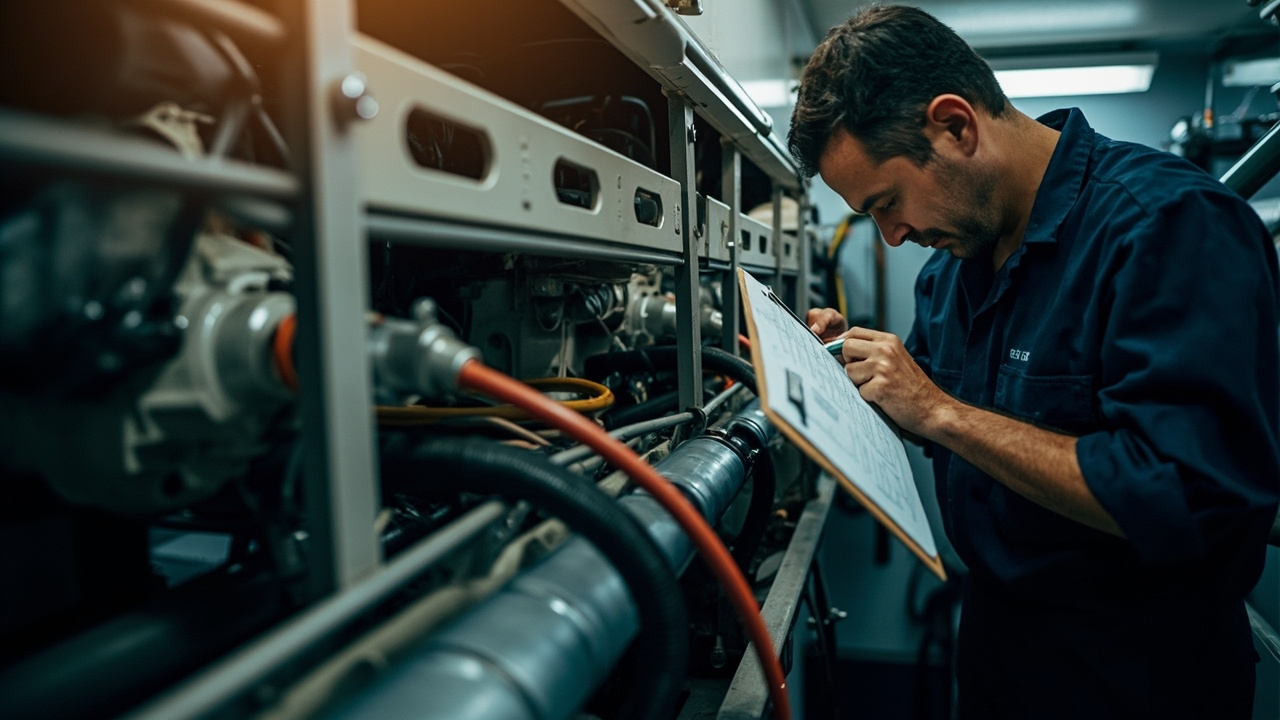
- Why post-summer checks matter in Hong Kong
- Engine and generator checks
- Air-conditioning, freshwater and bilge systems
- Electrical, deck and safety review
- Priority matrix for owners
- Service evidence pack for future buyers
- When to bring in a technician
- Research sources, related reading and FAQ
Hong Kong yachts often work hardest during summer weekends: hot engine rooms, long idling periods, repeated air-conditioning use, extra guests, salt spray and high humidity. A boat can still look clean at the berth while small mechanical, plumbing or electrical issues are already developing behind panels and under floorboards.
A sensible post-summer maintenance check should therefore combine two things: a practical system-by-system inspection and a clear record of what was found. That record helps owners plan repairs, helps buyers understand the yacht’s condition and gives brokers a more credible basis when preparing a listing.
1. Start with engine room symptoms, not cosmetics
Engine and generator checks should begin with operating behaviour: temperature, smoke, vibration, exhaust water flow, fluid levels, belt condition, hose softness, clamps, filters and any change in starting or idle quality. If the yacht has been used heavily around crowded anchorages, long low-speed running can be just as important as cruising hours.
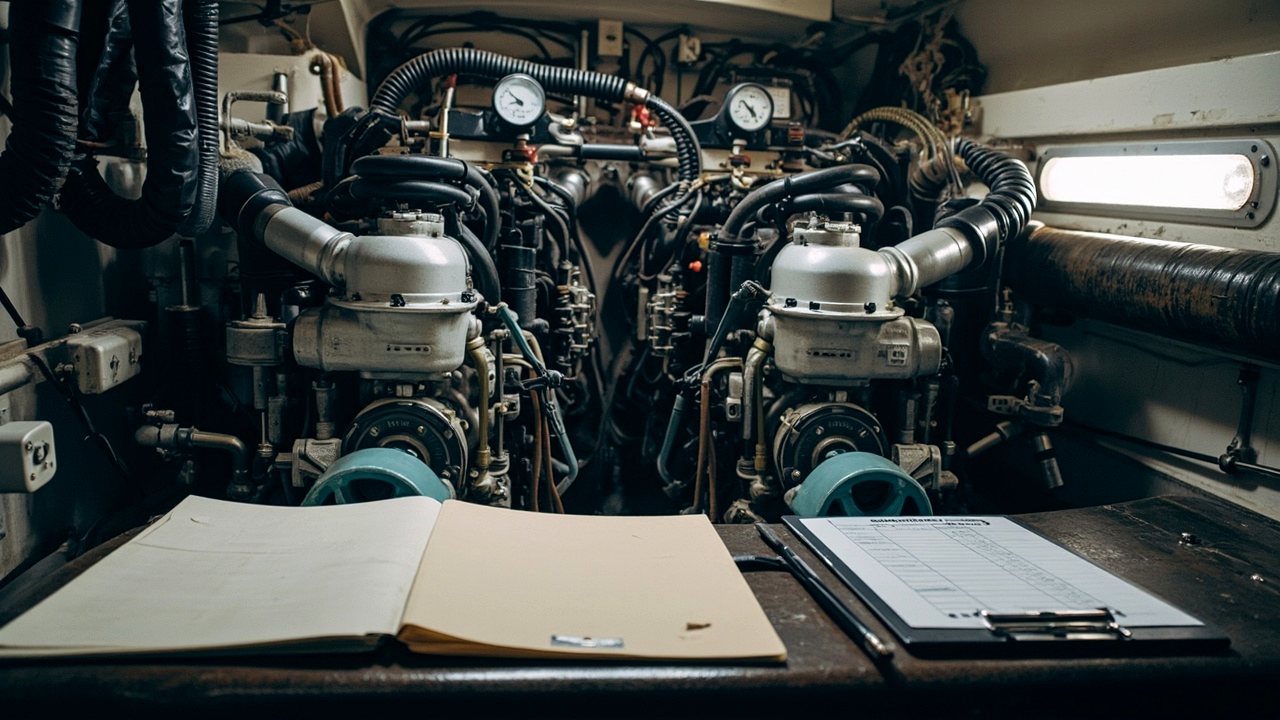
2. Air-conditioning and freshwater systems deserve a separate check
Air-conditioning problems after summer are common in Hong Kong because warm seawater, humidity and long cabin use put extra load on pumps, strainers, filters and drain lines. Weak cooling, odour, dripping water or frequent cycling should be investigated before the next high-use weekend.
Freshwater pumps, tanks, taps, shower sumps and toilets should also be checked. Small leaks and slow drains can create odour, dampness and hidden corrosion, especially where bilge ventilation is poor.
3. Bilge, batteries, chargers and shore-power clues
A clean bilge is useful, but the more important question is whether water is returning after the clean-up. Owners should look for repeated moisture around shaft seals, pump cycling, staining, loose terminals, battery swelling, charger alarms and heat marks around shore-power connections.
4. Deck hardware, tender gear and safety equipment
Summer use also affects deck fittings, canvas, fenders, mooring lines, tender gear, lifejackets and fire extinguishers. A short deck inspection can prevent avoidable surprises such as worn mooring lines, missing safety items or tender equipment that fails just when guests are onboard.
5. Priority matrix for Hong Kong owners
| Priority | Typical signs | Recommended action |
|---|---|---|
| Immediate | Overheating, smoke, fuel smell, bilge alarm, shore-power heat, repeated pump cycling | Stop use and arrange technician inspection before the next trip |
| Short-term | Weak air-con, slow drains, minor leaks, belt wear, missing service invoices | Book a service window and document the findings |
| Planned | Cosmetic gelcoat, non-urgent upgrades, comfort improvements | Bundle with the next haul-out or seasonal refit plan |
6. Build a service evidence pack before selling or renewing cover
A useful maintenance record is more than a pile of receipts. It should show dates, engine hours, technician notes, parts replaced, photos before and after work, sea-trial observations and any follow-up items. This is especially helpful when a yacht is later listed for sale, surveyed by a buyer or discussed with an insurer.
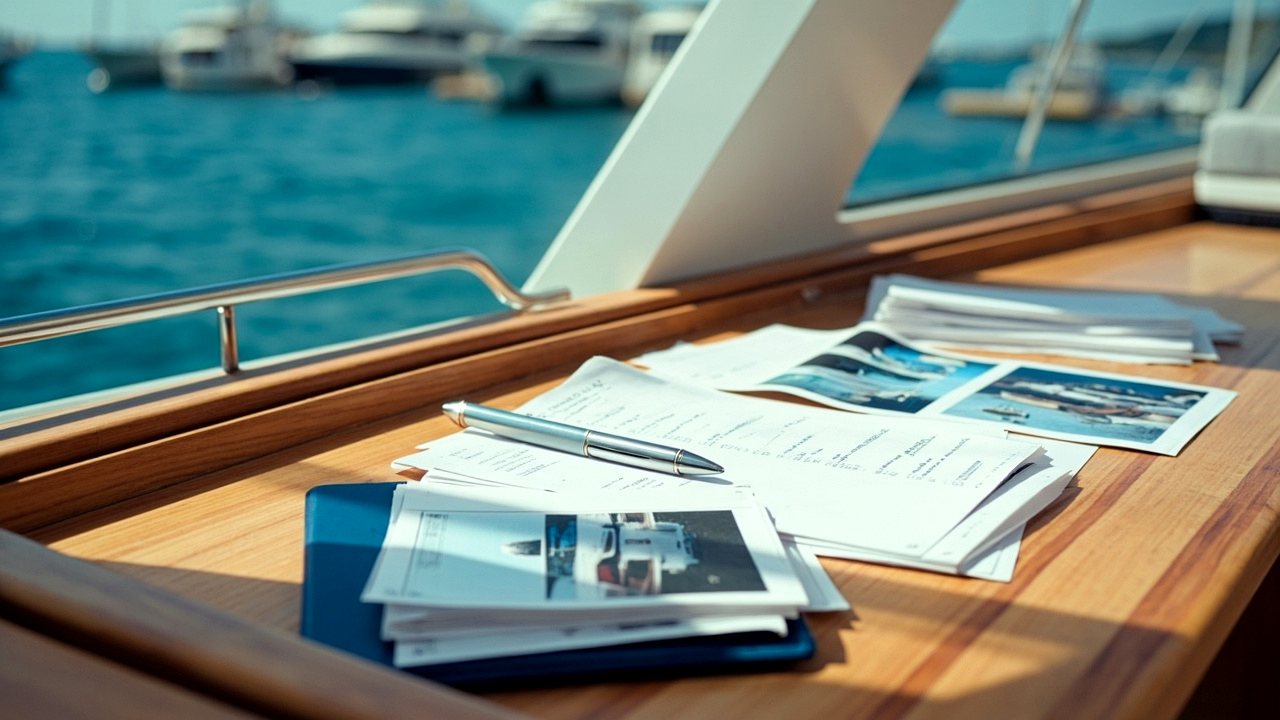
7. When should a buyer or owner bring in a technician?
If there are symptoms involving overheating, smoke, fuel smell, electrical heat, repeated bilge water, unknown service history or expensive equipment, the next step should be a qualified technician or surveyor rather than guesswork. A broker can help organize records and listing presentation, but technical diagnosis should come from the appropriate specialist.
8. Research sources and related reading
For Hong Kong owners, official vessel and safety guidance remains important when maintenance decisions affect operation, documentation or ownership transfer.
Frequently Asked Questions
Do I need a full survey after every summer?
Not always. Many owners start with a focused maintenance inspection, then arrange a survey if there are safety, structural, insurance or sale-related concerns.
What records help most when selling a yacht?
Buyers usually value dated invoices, engine-hour notes, technician reports, photos of completed work, haul-out records and clear follow-up items.
Can a yacht with incomplete records still be listed?
Yes, but the gaps should be explained honestly. A fresh inspection and organized evidence pack can reduce uncertainty.
Should listing photos replace maintenance evidence?
No. Photos help presentation, but they do not prove engine, electrical, air-conditioning or plumbing condition.
Buying, selling or preparing a yacht listing?
BoatMarket can help organize the listing conversation, highlight maintenance evidence and connect the next enquiry to the right buying or selling context.
- WhatsApp: +852 4424 9752
- WeChat ID: voyyacht
- Email: enquiry@boatmarket.com.hk