
Hong Kong’s winding coastline and more than 260 islands make “yachting to sea” (commonly known as boat river) a very popular local leisure activity. Whether it’s a family gathering, corporate business reception, or tourist sightseeing, choosing a suitable route is key to the success of the event. This article will objectively analyze 8 popular yacht routes in Hong Kong’s three major regions, from geographical characteristics, suitability to cost structure, and provide you with detailed planning references.
- Yacht route planning basic concepts
Before diving into specific routes, you need to understand the basic logic of yacht charter itineraries, which directly affect the timing and budget.
- Route Definition:
- Day Charter: Typically 6-8 hours, including sailing time and mooring entertainment.
- Evening Charter: Typically 4 hours, focusing on Victoria Harbour and focusing on viewing and dinner.
- Fixed-point mooring: The yacht does not sail the entire time, usually sailing to a bay with less wind and waves to anchor for passengers to eat and do water activities.
- Pier and Pick-up and Drop-off Points:
- Urban piers: Central Pier 9/10, Tsim Sha Tsui Public Pier, Causeway Bay Typhoon Shelter. Suitable for visiting the Southern District or Victoria Harbour.
- Sai Kung Pier: Sai Kung Public Pier. Specially go to Sai Kung inland and outer sea attractions to save sailing time.
- Travel Time:
- This is the most common point that many people overlook. If you choose to depart from the “Urban Pier” to “Sai Kung Tai Long Sai Wan”, it may take 2-3 hours one way, and the round trip takes up most of the activity time. Therefore, choosing “departing from the nearest pier” is the golden rule for route planning.
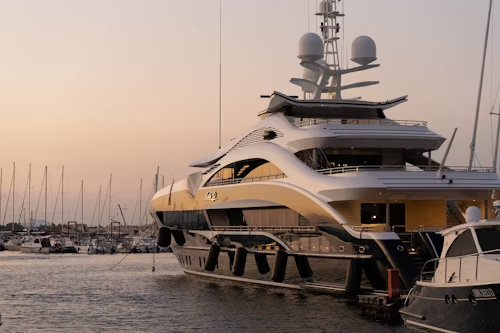
- Area 1: Sai Kung District Popular Routes (Natural Landscape Oriented)
Known as the “back garden of Hong Kong,” Sai Kung is known for its clear water and geological wonders, making it the most popular area for the boat river in summer.
Route 1: Big Wave Sai Wan (Hong Kong Maldives)
- Features: Located on the east side of the Saigon Peninsula, it consists of four beaches. The water quality here is excellent, the beach is white and expansive, and it is known as the “Maldives of Hong Kong”. Due to its remote location, there is relatively little foot traffic, preserving the original style.
- Suitable for: Young teams who pursue beautiful natural landscapes, love swimming and water skiing, and don’t mind longer boat rides.
- Note: The wind and waves here can be quite strong, and not all seasons are suitable for visiting, and even in the right season, it depends on the wind direction on the day of travel.
Route 2: Half Moon Bay (Xiamen Bay)
- Features: The shape is half-moon-shaped, and the water quality is maintained at the first-class standard for a long time. The facilities here are relatively complete, with toilets and snack kiosks, and it is a moderate flight distance from Sai Kung Pier.
- Suitable for: Families (with children or the elderly), first-time visitors, and users who want to balance water quality and convenience.
Route 3: Pumpkin Bay (Geopark)
- Features: It belongs to the scope of the Hong Kong UNESCO Global Geopark. In addition to water activities, the biggest selling point is that you can see the spectacular hexagonal pillar group up close, which has high ecological and geological investigation value.
- Suitable for: Ecotourism enthusiasts, photography enthusiasts, school organizations, or educational groups.
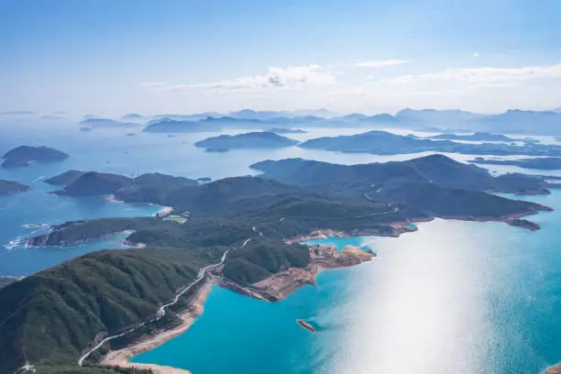
- Area 2: Popular routes in the southern and urban areas (convenience-oriented)
The route to Hong Kong Island Southern is known for its convenient transportation, suitable for users who do not want to travel long distances to Sai Kung.
Route 4: Deep Water Bay / Repulse Bay
- Features: Close to the city and surrounded by luxury residential areas. The wind and waves are generally small, and the sea is calm, making it ideal for anchoring for a business luncheon or a relaxing swim.
- Suitable for: Business banquets, families with young children, groups that do not wish to sail long distances.
Route 5: Lamma Island (Sok Kwu Wan / Yung Shue Wan)
- Features: Combines sea fun with island culture. Many itineraries will arrange to land on Lamma Island to enjoy the famous seafood meal or visit the island’s specialty shops.
- Suitable for: teams with seafood dining needs, overseas tourists, and team building.
Route 6: Stanley (Pok Kung Pier / Murray House)
- Features: Full of the atmosphere of the intersection of Chinese and Western cultures. The yacht can be moored in Stanley Bay, and passengers can choose to go ashore to visit Stanley Market or Murray House, with a rich and diverse itinerary.
- Suitable for: Those who like to combine “shore sightseeing + sea leisure” with an itinerary.
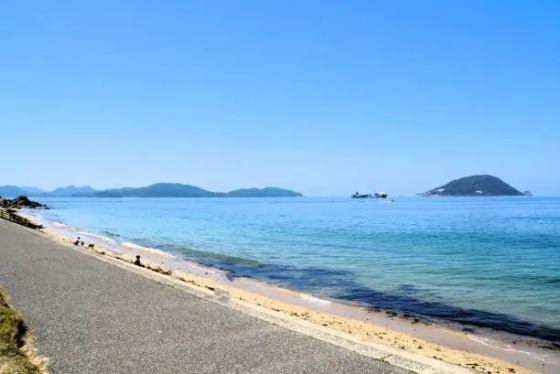
- Area 3: Victoria Harbour and other special routes
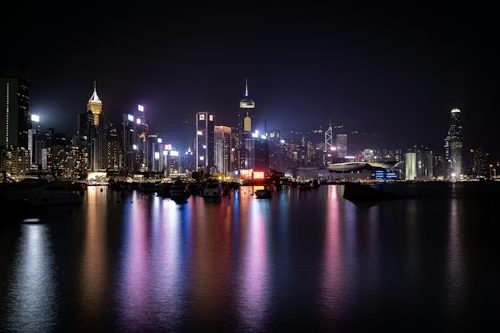
Route 7: Victoria Harbour Night Tour
- Features: Mainly to enjoy the night view of the world-class city, with the “Symphony of Lights” light show at 8 o’clock every night. The voyage is shorter and usually does not involve launching activities.
- Suitable for: dinner parties, celebrations of anniversaries, business cocktail parties, tourist sightseeing.
Route 8: Clear Water Bay (Weng Tong Bay)
- Features: Located between Sai Kung and the city, the water quality is excellent (especially Weng Tong Wan), and it is close to Tseung Kwan O and Kowloon East.
- Suitable for: People seeking natural scenery and looking to avoid traffic congestion in Saigon city center.
- Consideration dimensions for route selection
When deciding on a route, in addition to the landscape, the following practical factors need to be considered:
- Wind and waves and seasickness risk:
- Saigon Inland Sea: Wind and waves are usually calmest, with the lowest risk of seasickness.
- Southern Offshore Sea: Depending on the seasonal direction, there may be swells. Those who are prone to seasickness are recommended to choose Deep Water Bay or Sai Kung Inland Sea.
- Supporting facilities:
- Landing convenience: Lamma Island and Stanley are easy to land; Natural bays such as Big Wave Sai Bay may require a barge (Sampan) to pick them up, and some large yachts cannot dock directly.
- Dining: Lamma Island has a wide variety of restaurants; There are only a few shops in Tai Long Sai Wan; Other bays usually rely on catering.
- Transportation:
- Traffic jams can easily occur on weekends to get to Sai Kung Pier, so you’ll need to allow extra travel time. The urban pier is the most convenient for transportation.
- Yacht charter cost reference and market data
Yacht charters are not “all-inclusive”, and additional needs and different routes will affect the final offer.
- Basic boat rental: The rental rate for boarding a boat in the city is sometimes slightly higher than in Sai Kung, depending on the type of boat (Western-style yacht, Chinese yacht, sailboat).
- Fuel Surcharge: This is the most commonly misunderstood fee. If you request to sail from “Central” to “Tai Long Sai Wan”, the owner will usually charge thousands of Hong Kong dollars in fuel fees due to the long voyage and high fuel consumption.
- Market price range: Based on historical price data published by local booking platforms such as Yacht Holimood, the average rental price range for a classic yacht for about 30 people is usually between $8,000 – $12,000 Hong Kong dollars, while Western-style luxury yachts can be as high as $20,000 – $40,000 or more. The Victoria Harbour night tour varies depending on the duration and dining level.
7. Risk warning and safety regulations
- Weather Factors: Generally, trips are cancelled or rescheduled when Strong Wind Signal No. 3 or Black Rainstorm Warning is hoisted. Please refer to the “Inclement Weather Policy” in the rental contract for details.
- Insurance liability: Vessels are required by law to have third-party insurance, but this mainly protects against accidents caused by vessels. Participants are advised to purchase their own personal accident insurance.
- Number of passengers: The maximum number of people (including infants) in the vessel licence as stipulated by the Marine Department must be strictly observed, and must not be overloaded.
- Water Activities: When engaging in activities such as water skiing and banana boat rides, life jackets must be worn.
- Common misunderstandings and corrections
- Myth 1: “All yachts can go to all routes.”
- Fact: Due to speed, fuel volume and draft, sailing boats are often difficult to access the shallow bay area, and slow Chinese yachts are not suitable for long-distance cross-regional sailing.
- Myth 2: “There is no need to arrange additional connections for dining on the island.”
- Fact: Many natural bays do not have piers, and if the yacht is too large to dock, you will have to rely on a barge (for an additional fee) or swim ashore on your own (if it is not recommended to bring your belongings).
- Myth 3: “It’s very close to get on the boat from the city to Sai Kung.”
- Fact: The sea route is not a straight line, and the speed of the ship is much slower than the speed of the car. Traveling by boat from Central to Sai Kung often takes more time and money than land transportation.
- Frequently Asked Questions
Q1: How long does it take to travel from Central Pier to Sai Kung Tai Long Sai Wan?
A typical yacht (Cruiser) takes about 2.5 to 3 hours one way, and it takes 5-6 hours to go back and forth, and the actual play time will be greatly shortened. Unless renting a high-speed yacht, it is highly recommended to meet directly at Saigon Pier for departure.
Q2: Which route is best for people prone to seasickness?
Sai Kung Inland Sea (e.g. Half Moon Bay, Samsung Bay) or Deep Water Bay in the southern district of Hong Kong Island. These areas are covered by terrain, the wind and waves are relatively small, and the hull is more stable.
Q3: How long can the Lamma route stay on the island?
It depends on your schedule. Usually, the boatman will arrange 1.5 to 2 hours of meals and sightseeing on the island before returning to the sea for water activities or return.
Q4: Which route is usually recommended for going to sea at night?
Most night cruises (Evening Charter) recommend Victoria Harbour. Because the sea is dark at night, there is no scenery and safety hazards to go to remote bays, and the city lights of Victoria Harbour are the best backdrop.
Q5: Can the route be changed temporarily if the weather is bad?
The captain has the right to decide the final route based on the sea conditions (wind, waves, tides) on the day. If the original Big Wave Sai Wan is too windy, the captain may suggest changing to the calmer Half Moon Bay or South Wind Bay for safety reasons, which is an industry practice.
Q6: Are wakeboarding activities allowed on all routes?
not. The Hong Kong Marine Department has specific speed restriction zones. High-speed water skiing is prohibited in certain waterways or ports (such as the central area of Victoria Harbour). The captain will lead you to the legal water skiing area.
- summary
Hong Kong has a wide range of yacht route options, from the natural wilderness of Big Wave Sai Wan in the “Maldives of the East” to the dazzling night view of Victoria Harbour. When planning your trip, you should not only look at the scenery in the photos, but also consider the physique of the team members (whether they are seasick), transportation convenience, budget (fuel surcharge), and activity preferences.
Choosing a suitable route and adhering to the principles of maritime safety and environmental protection (taking your own garbage with you) can ensure a pleasant and memorable experience at sea.