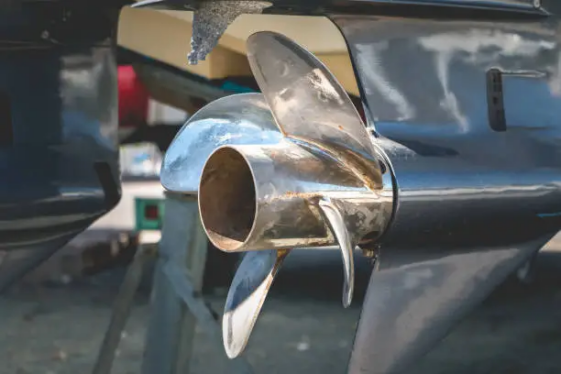



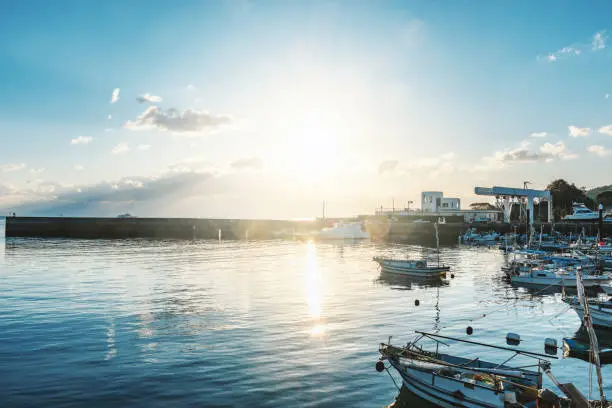
On the coast of Hong Kong and Guangdong, there is a group of extremely hardcore sea fishing players. They don’t go after champagne parties on deck or the touch of leather sofas; They only see currents, wind directions, and deep-sea giants. For this group, a reliable “Japanese Fishing Boats” is their ultimate weapon in conquering the oceans. Japanese fishing boats, such as Yamaha and Yanmar, have occupied an unshakable dominance position in the Asian market with their unparalleled practicality and durability.
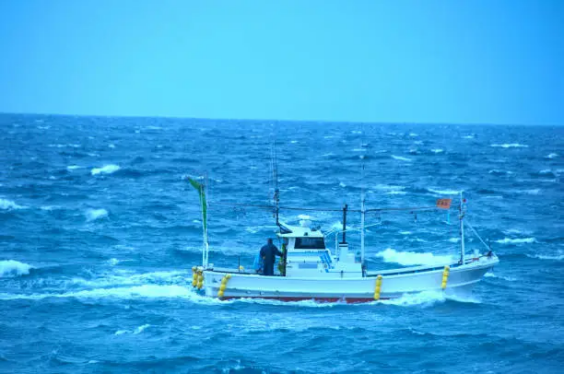
1. Brand duo: Yamaha and Yanmar’s DNA decoding
In the realm of Japanese fishing boats, Yamaha and Yanmar are two unavoidable names, but their design philosophies and applicable scenarios have significant differences, which have contributed to the diverse selection preferences of Hong Kong boat owners.
- Yamaha: The king of lightweight and outboards Yamaha’s fishing boats (such as the famous YFR series, UF series) mostly use extremely lightweight and strong fiberglass (FRP) technology. They are usually paired with their own four-stroke outboard engine. The biggest feature of this design is its extremely high speed and extremely shallow draft. When the engine is raised, the boat can even sail into extremely shallow sandy beaches or reef areas. In Hong Kong, many players who like to engage in “rock fishing” or nearshore casting in the Guo Chau Islands and Tap Mun areas have a soft spot for Yamaha.
- Yanmar: A tough guy with diesel heavy engines and shaft drives If Yamaha is a nimble assassin, then Yanmar (like the EX series) is a heavy tank at sea. Yanmar itself is the world’s top manufacturer of marine diesel engines. Most of their fishing boats use inboard diesel engines with inboard shaft drives. This design, although not as fast as an outboard, offers incredible torque, an extremely low center of gravity, and unmatched stability in harsh sea conditions. For enthusiasts who enjoy going to the waters south of Hong Kong (such as the oil well area and the Dangan Islands) for deep-sea heavy iron plate fishing (Jigging), the sense of security provided by Yanmar is irreplaceable.
2. Core Features and Practicality in Hong Kong Waters (Practicality in HK)
- Practical value of Walkaround design: This is the most iconic design of Japanese fishing boats. There are spacious and deep walkways on both sides of the cabin, allowing anglers to run 360 degrees around the boat with a fishing rod (slip fish) after hitting a fish, without being blocked by obstacles at all. In Hong Kong, there are often strong monsoons in autumn and winter, and the sea surface is swelling, so this deep walkway design can greatly ensure the safety of crew members when walking on deck and prevent them from falling into the water.
- Ultimate space utilization and live fish cabin: Hong Kong people pay attention to “swimming” (fresh) when eating seafood. Japanese fishing boats usually have original live fish pods (Livewell) built under the deck, which can directly introduce fresh seawater to ensure the survival of the fish caught. In addition, the wide and flat rear deck is ideal for four or five people fishing at the same time without getting caught in each other’s line.
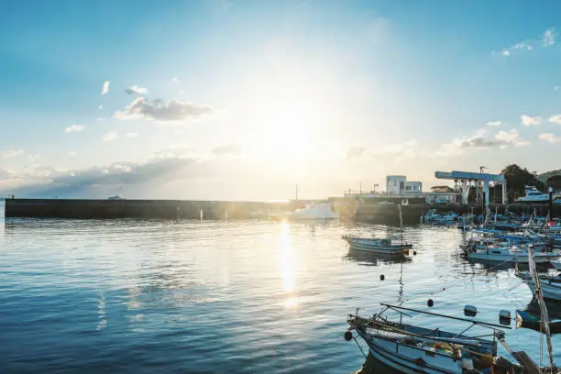
- Typhoon resistance and typhoon shelter berthing advantages: Hong Kong’s typhoon shelters (e.g. Aberdeen and Shau Kei Wan) are very crowded, and boats often need to be tied together in rows. The hull edges of Japanese ships are usually designed with extremely thick rubber strips (Rub Rail), and the hull does not have too many fragile decorations. Squeezing and rubbing against each other in crowded typhoon shelters is not easy to cause serious cosmetic damage, which saves the boat owner a lot of maintenance effort.
- For example, the refurbished 46-foot fishing boat currently on sale is a very standard example of medium and large Japanese fishing boats in Hong Kong waters, taking into account various needs such as fishing and parties.
3. In-depth analysis of strengths and weaknesses
【Advantages Pros】
- Myth of Proper Rate and Extremely Low Maintenance Costs: This is the biggest killer feature of Japanese ships. Whether it’s the hull or the engine, as long as it’s maintained on time, there will almost never be a major breakdown that will leave you at sea. In Hong Kong, Yamaha and Yanmar have an extremely sufficient supply of parts, and any shipyard master in Sai Kung or Aberdeen can skillfully repair them, and the labor and parts cost is much lower than that of European and American brands.
- High value retention and liquidity: In Hong Kong’s second-hand boat market, a well-maintained Yamaha fishing boat is almost a “hard currency” that can be quickly sold online and has a very low depreciation rate.
【Disadvantages Cons】
- Humble interior with zero social attributes: comfort is compromised for practicality. The interior of the cabin usually has simple rest bunks and very basic restrooms, with no fancy wood veneer or air-conditioned sofa areas. If you want to invite non-fishing family or female friends out to the sea for a party, this boat will make them feel like they’re “in jail.”
- Limited space for sun and rain: The abundance of open deck space means that passengers have minimal indoor space to take shelter in Hong Kong’s hot summer or during sudden rainstorms.
4. Hong Kong market price range and ship maintenance costs
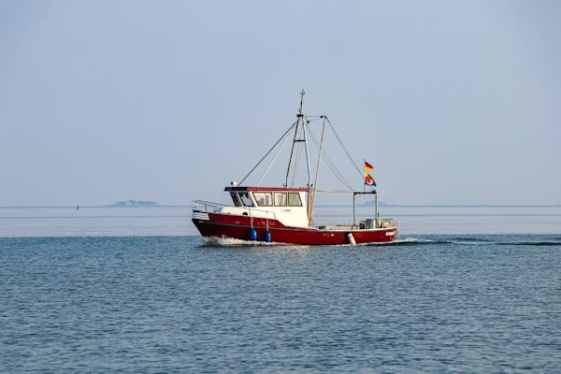
- Entry-level / second-hand speedboat (20-27 feet, such as the old Yamaha UF27): Budget : about HKD 15 – 35 million. Boat Maintenance Cost: These boats are small and can be moored at the affordable Tsuen Hau Pier in Sai Kung or Tai Po, or rent a floating drum (Buoy) for only HKD 2,000 – 4,000 per month.
- Medium and large / new heavy fishing boat (33-46 feet, such as Yanmar EX38 or Yamaha YFR-33): Purchase budget: about HKD 120 – 250+ (depending on engine horsepower and torpedo radar configuration). Boat maintenance cost: Due to the high-value radar and equipment, it is usually necessary to moor in a regular typhoon shelter or yacht club, with a monthly berth fee of about HKD 6,000 – 12,000, plus regular oil changes and upper row bottom washing, the annual comprehensive maintenance cost is about HKD 10 – 15 million.