


Used Yacht Engine Hours in Hong Kong: What Buyers Should Really Check
Engine hours are one of the first numbers buyers ask for when reviewing a used yacht. They matter, but they are not the whole story. A yacht with low hours can still have corrosion, ageing hoses, neglected cooling systems or stale fuel issues. A yacht with higher hours can be a sensible purchase if it has been used regularly, maintained properly and priced with future work in mind.
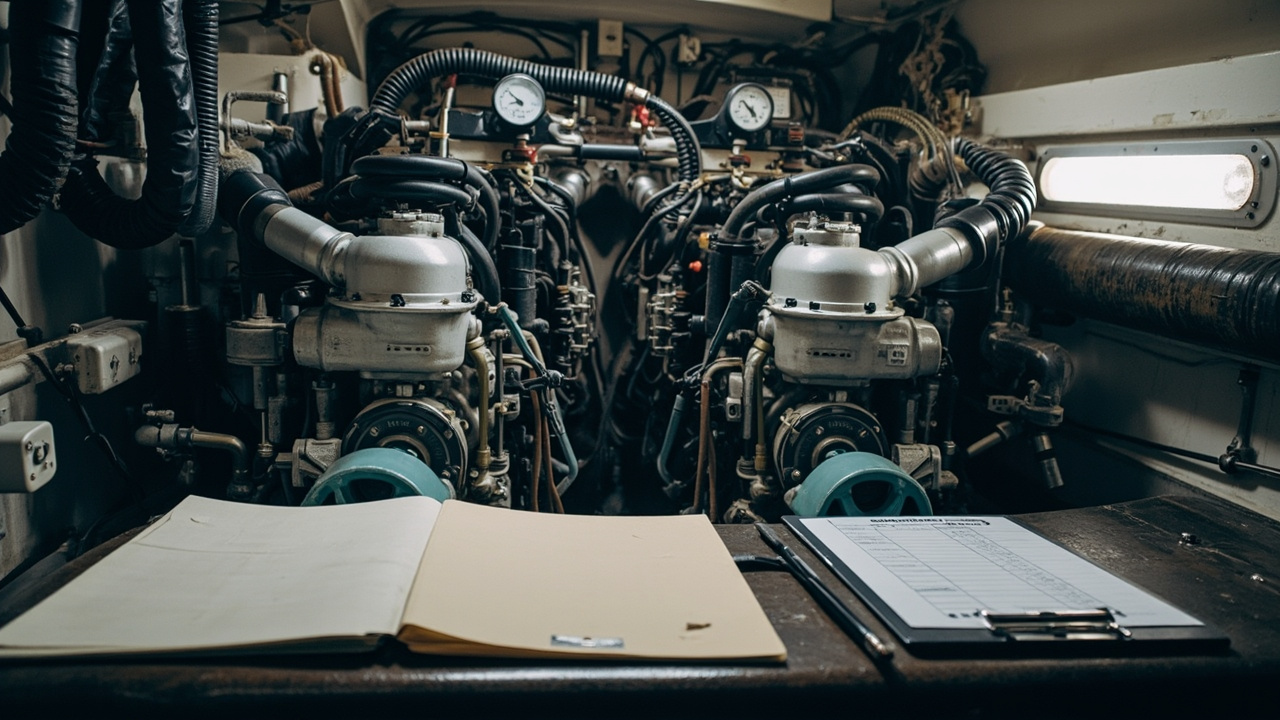
For Hong Kong buyers, the best approach is to read engine hours together with service history, usage pattern, sea trial behaviour, survey findings and the cost of ownership after completion.
Why engine hours can be misleading
Engine hours are often treated like mileage on a car, but yachts live in a harsher environment. Salt water, humidity, heat, long idle periods and marina conditions all affect machinery. A vessel that has been lightly used but poorly maintained may carry more risk than a vessel that has been used frequently and serviced on schedule.
Different yacht types also create different usage profiles. A family flybridge may spend weekends cruising around Hong Kong waters. A sport cruiser may have shorter but more performance-focused runs. A wake boat or day boat may have variable loads and repeated acceleration cycles. The same number of hours can mean different things depending on how the boat was used.
Low hours versus healthy hours
Low hours are not automatically good
Low engine hours are attractive in listing copy, but buyers should ask why the yacht was used so little. Was it started and run regularly? Were fluids changed based on time, not only usage? Were batteries, belts, impellers, hoses, seacocks and cooling systems inspected? In Hong Kong’s humid climate, inactivity can create its own maintenance problems.
Higher hours can be acceptable
Higher hours are not automatically a red flag. If the yacht has complete service records, consistent maintenance, a clean sea trial, stable temperature and oil pressure, and realistic pricing, the risk may be manageable. A well-used and well-documented engine can be more reassuring than a low-hour engine with no history.
Documents buyers should request before making a firm offer
Before paying a deposit or finalising terms, ask for:
- Main engine and generator service records
- Dates for oil, filter, impeller and belt changes
- Cooling system and heat exchanger work
- Invoices from mechanics or service yards
- Records of major repairs, overhauls or component replacements
- Sea trial notes including RPM, temperature, oil pressure and speed
- Bottom paint, anode, shaft seal, sterndrive or pod-drive maintenance records
- Any recurring alarms, warnings or unresolved defects
Missing records do not always mean the yacht should be rejected, but they should affect the inspection plan, negotiation and contingency budget.
What to watch during a sea trial
Cold start behaviour
A cold start reveals more than a warm engine demonstration. Watch for slow starting, excessive smoke, vibration, unusual noises, warning lights or alarms.
Acceleration and cruising performance
During the sea trial, observe whether the engines climb smoothly through the rev range and whether both engines behave consistently. If the yacht cannot reach expected RPM under normal conditions, possible causes may include hull fouling, propeller issues, fuel restriction, cooling problems or engine wear. A qualified marine technician should interpret the findings.
Temperature, pressure and exhaust
Stable operating temperature and oil pressure are important. White, black or blue smoke may indicate different issues, but buyers should avoid guessing. Record the symptoms and ask the surveyor or mechanic to comment.
Survey and mechanical inspection are not the same thing
A general yacht survey is essential, but it may not be a deep mechanical inspection. A hull survey typically focuses on structure, systems, safety equipment, electrical items and general condition. Engine diagnostics, compression testing, oil analysis or manufacturer-specific checks may require a marine mechanic.
For higher-value yachts, a buyer should consider three separate checks: hull survey, sea trial and mechanical inspection. Together, they provide a more balanced view of risk.
How to use engine hours in negotiation
A practical buyer can assess engine hours through three layers:
- Current usability: Does the yacht run safely and predictably during sea trial?
- Near-term maintenance cost: What work is likely in the next 3 to 12 months?
- Future resale risk: Will the hours, records and brand support affect resale value?
If a yacht has higher hours but excellent records and realistic pricing, it may be a better purchase than a low-hour yacht with uncertain history. The goal is not to find the lowest number; it is to understand the risk behind the number.
Common mistakes in Hong Kong used yacht purchases
Believing “hardly used” without evidence
Light use is only positive when the yacht has still been maintained correctly.
Making a firm offer before sea trial
A buyer can submit an indicative offer subject to survey and sea trial, but should avoid taking irreversible risk before machinery behaviour is tested.
Ignoring the generator and hotel systems
Air-conditioning, batteries, refrigeration, freshwater systems and generators can be expensive to repair. They matter to Hong Kong family cruising as much as the main engines.
FAQ
Are lower engine hours always better?
No. Lower hours are helpful only when supported by records, condition and sea trial performance.
What is considered high engine hours on a used yacht?
There is no single number. It depends on engine type, age, maintenance, usage and price.
Should I hire a mechanic as well as a surveyor?
For higher-value yachts or uncertain service history, a separate mechanical inspection is often sensible.
Can engine hours be used for negotiation?
Yes, but only as part of a wider risk model including records, survey findings and expected maintenance.
Related VOY resources
Official references
Want to discuss your yacht plan?
For yacht buying, management, maintenance, fractional ownership or charter planning, contact VOY Yachting on WhatsApp, scan our WeChat QR code, or email enquiry@voy.hk.